Family Business Advisory · Bangkok
P1 Thailand helps founder-led companies see the business clearly, find the real constraint, and build a focused system so your judgment goes further. The advice comes from operating experience inside a family group — not consulting theory.
Request a Consultation View Our WorkOr take something useful first — the method we teach, free, no sign-up →
This is the first thing we teach, and it is the whole of it. Use it today, with or without us.
AI can be confidently wrong — inventing a figure, a citation, or a policy that sounds right. Read every output before you rely on it, and never let it be the last set of eyes on anything that matters.
Vague in, vague out. The more you tell it about the situation, the task, and the shape you want back, the better the result. Instruction quality is the single biggest lever you control.
Company data belongs in the company's sanctioned AI workspace — never in a personal account or a random consumer app. Where the data lives decides which tool you are allowed to use.
Worked example: “I manage the front desk at a serviced-apartment building and a guest has emailed to complain that their aircon was noisy for two nights (context). Draft a warm, apologetic reply that offers a partial credit and a follow-up call (task). Keep it under 120 words, friendly but professional, and give me two subject-line options (format).” — then read it, correct the details only you know, and send it yourself.
The written curriculum is published in full on this site — free, no sign-up, no email required. Read the whole curriculum →
Answer four questions, get back a printable one-page read of what your business depends on, what must survive a handover, and what is only a mechanism you inherited. Runs entirely in your browser.
Open the tool →Being sold an ERP? Run this first. A seven-task prompt for your own AI assistant, pointed at your own files. It produces your numbers, not our opinion.
Get the prompt →The whole instrument, in English and Thai, with what each question is actually for. Ask them of yourself, or of someone who runs something you care about.
Read them →How to write an honest one-page read of a business after a day inside it — the seven rules and the structure, published in full.
Read the method →No account, no email address, nothing stored. If these help and we never speak, that is a good outcome. See all four →
Operating record
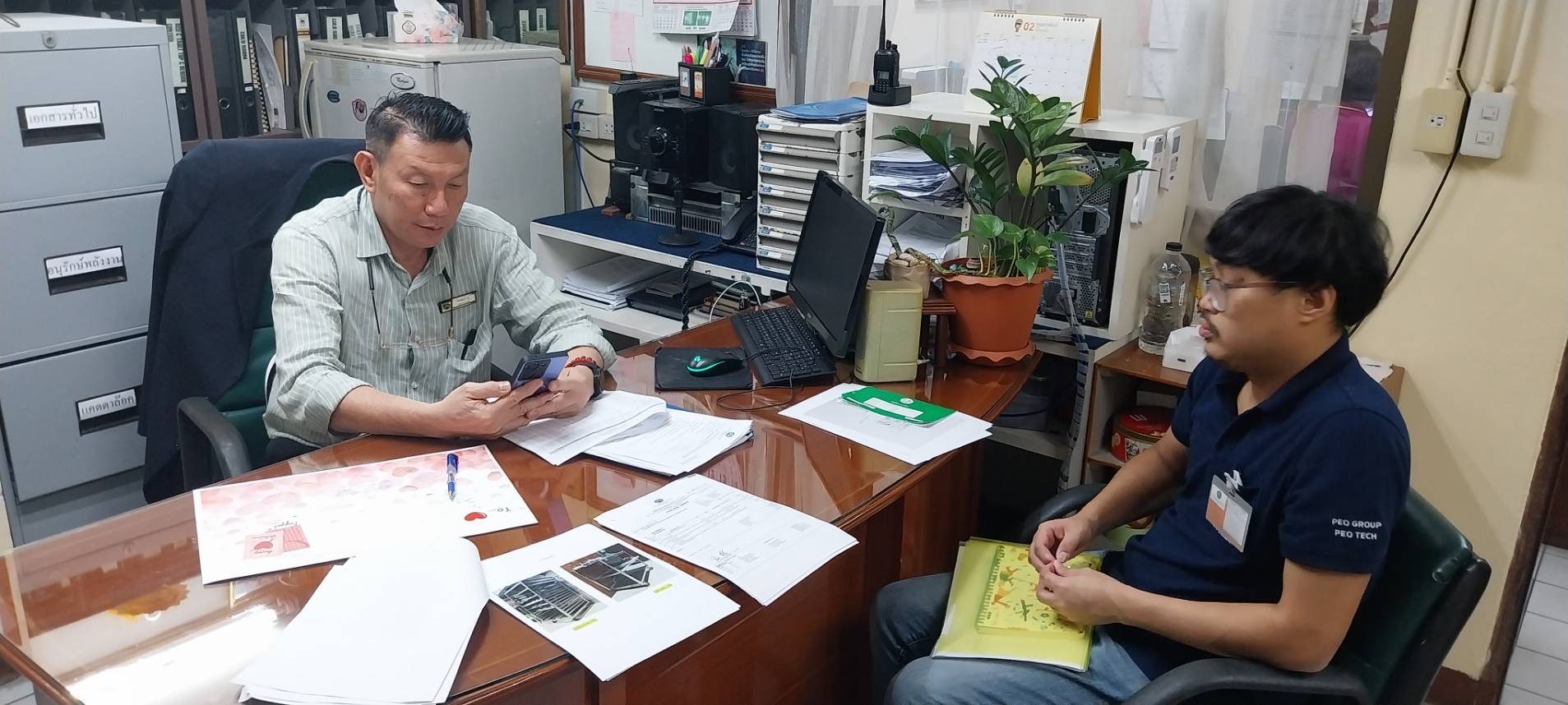
Four services, one method. Each starts from the same discipline — understand how the business actually runs before changing anything — and is scoped to the specific company, not a fixed package.
01
Strategy, succession, and governance for companies where ownership and management overlap. We make the founder's knowledge transferable, so the business runs without depending on one person. Method: start from how the business actually decides, then work back to the real constraint.
→
02
Source-of-truth architecture and executive workflows, with AI applied where it earns its place: intake, institutional memory, reporting, and drafting — not demos. Method: build a focused system around the constraint.
→

03
The company's real position, made clear to the market — messaging, identity, and a website that reflects the business rather than a template. Method: make the business clear to the people outside it.
→

04
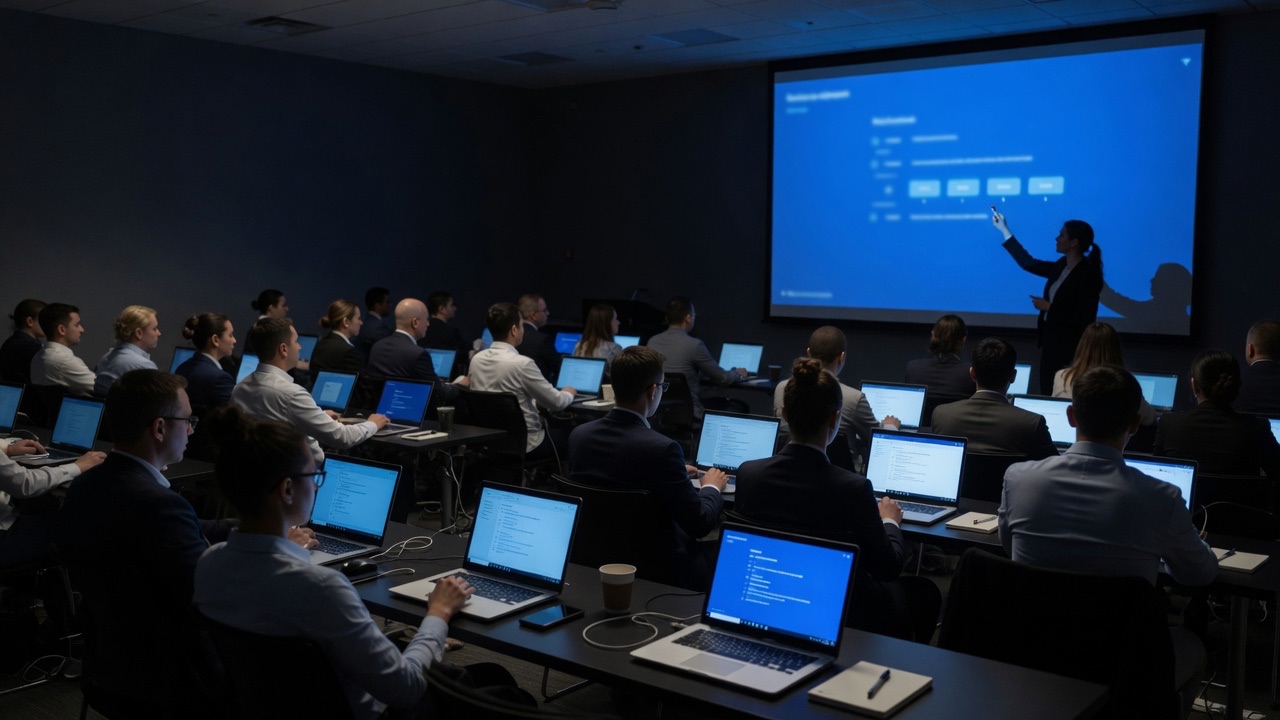
Facilitated sessions where leadership teams reach decisions and align on them — in Thai and English, in the same room. Method: keep decisions with the people who own them.
→


Working with leadership teams on the decisions in front of them.
Most family businesses do not lack information. It is scattered across spreadsheets, chat threads, and a few people's heads, and AI inherits whatever it is pointed at.
What the business runs on sits in spreadsheets, chat threads, and two or three people's heads, each a slightly different version. None of them is the official record.
Middle management holds much of the working knowledge of the business. When people leave, that knowledge leaves with them, and the gap is usually noticed too late.
Decisions are made in meetings and chat threads, then lost. Six months later, no one can say with confidence what was decided, by whom, or why.
AI applied to disorganised data produces disorganised results. We fix the source first, so AI works from accurate information.
Most delays come from unclear decisions, not missing tools.
Most companies don't need more tools. They need a clearer, more focused way to run the ones they have. So we start with how the business decides — and software comes last, working better for it.
Make how it actually runs visible: what's known, where it lives, and who decides.
Identify the one thing holding growth back — before choosing any tool.
One source of truth — people, knowledge, tools, and AI pointed at that constraint.
The system carries the work; decisions stay with the people who own them.
Software comes last — and works better for it
Executive intake, daily multi-entity briefings, institutional memory, document pipelines — each published case follows the same shape: what was built, what changed, and what it required.
Every piece of work becomes progressively more refined, verified, structured evidence. The document is the source of truth; humans supervise, bounded AI does the work.
Read the case →A scheduled set of specialized agents covers every operating entity every morning — briefings ready before the first session opens.
Read the case →A raw multi-topic voice note becomes routed, structured output — actions with named owners, in the format each recipient needs.
Read the case →One morning brief across every entity — deadlines, decisions waiting, and the cross-entity signals no single inbox or tracker can show.
Read the case →Before any proposal, we build a working demo based on your business, so you can assess the work before you commit to it.
Read the practice →The AI systems described on this site run a live multi-entity operating group every day: the morning brief, executive intake, institutional memory, and document pipelines. They were built and proven in that operating environment first, and they continue to run it.
AI built on disorganised data produces unreliable output. We fix the source first, then connect AI to it.
Leadership teams reaching and aligning on decisions, in Thai and English, in the same room.


The Practitioner
Michael Ananpasin founded P1 Thailand, his independent advisory company, and is Chief Strategy Officer of PEO, a Bangkok multi-entity family business group that is currently P1's primary client. Ten years from intern to executive, inside the business. The strategy, facilitation, and AI systems P1 delivers were developed and tested inside a real operating group — and apply well beyond it.
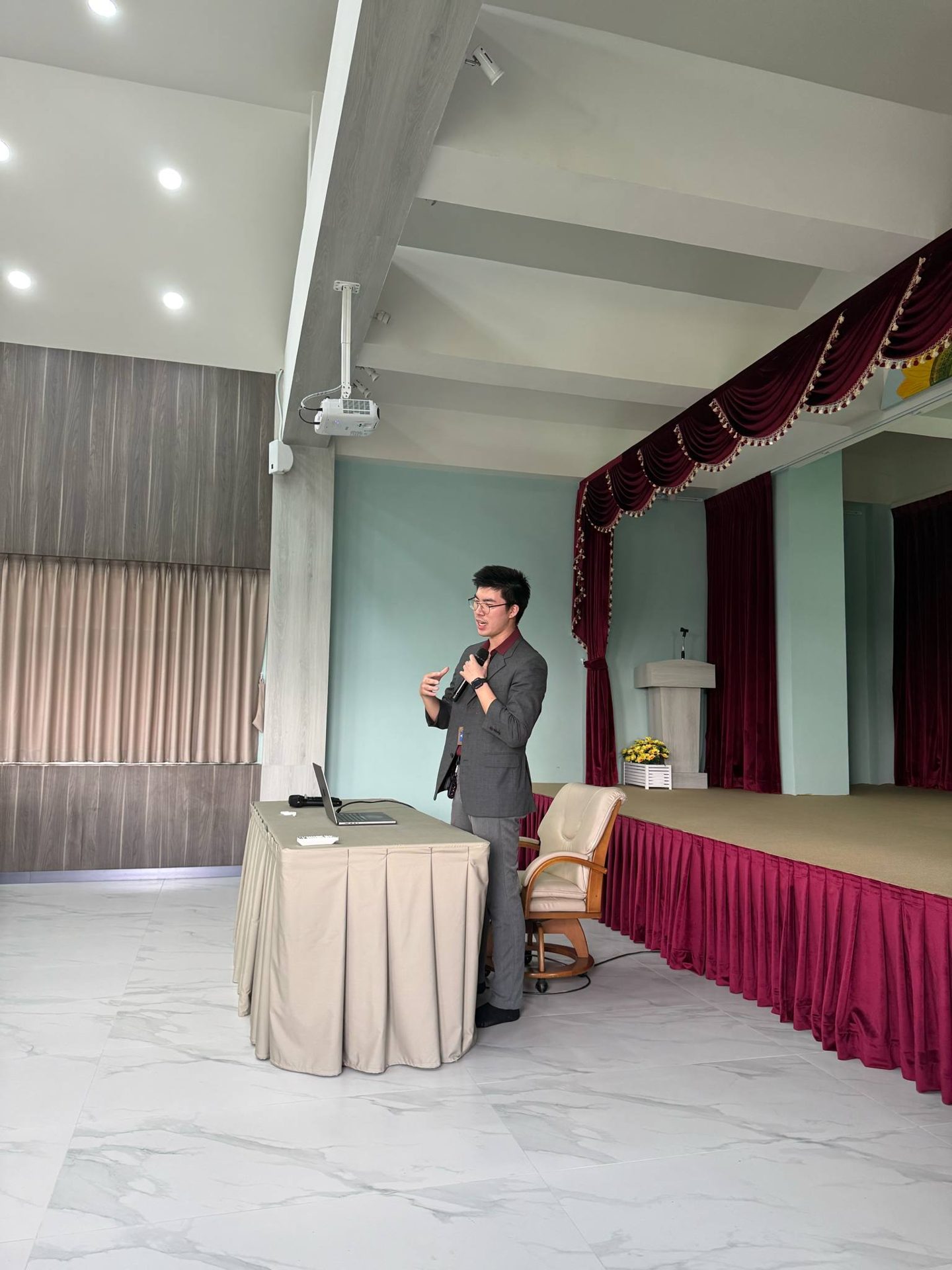
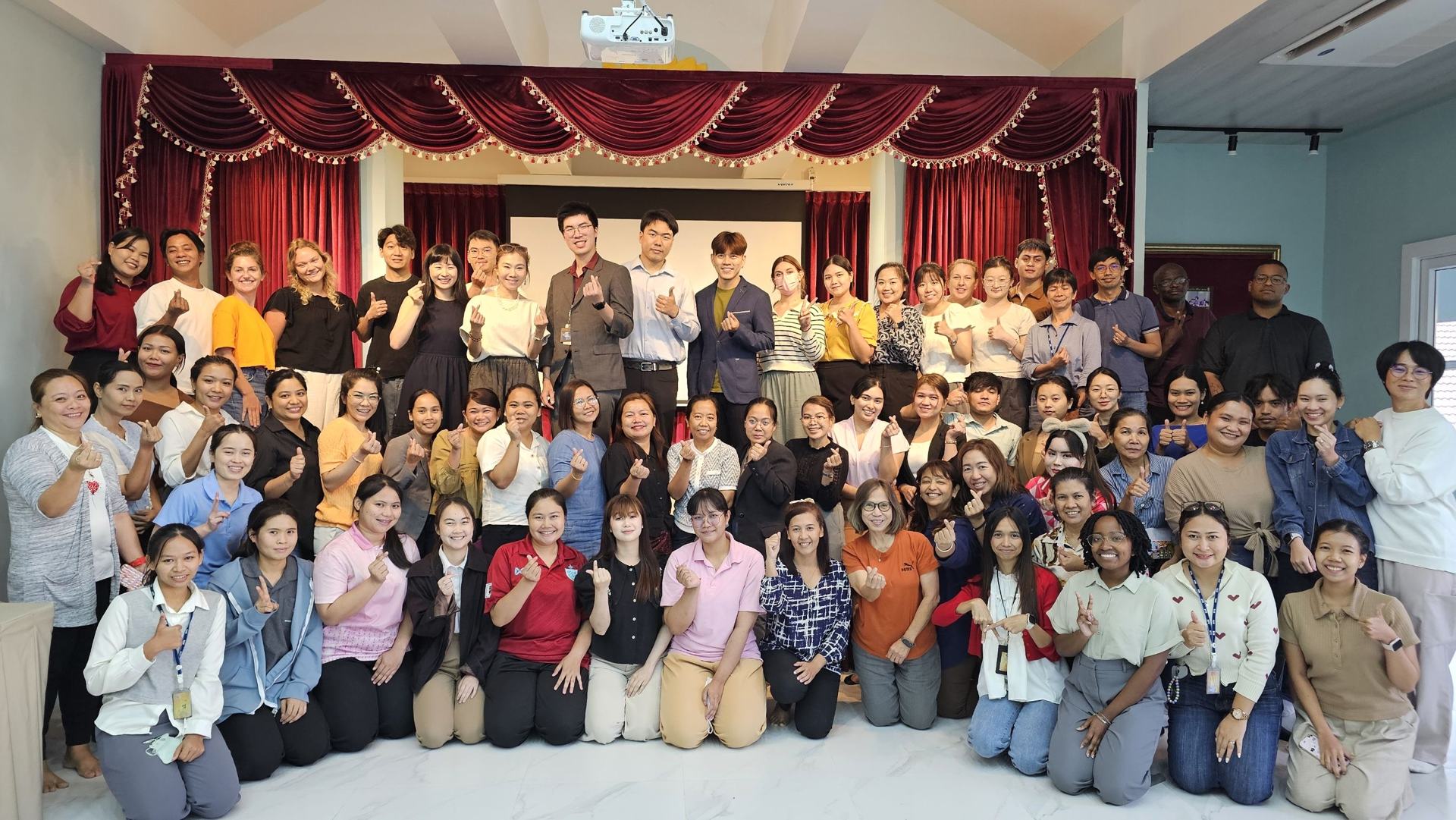
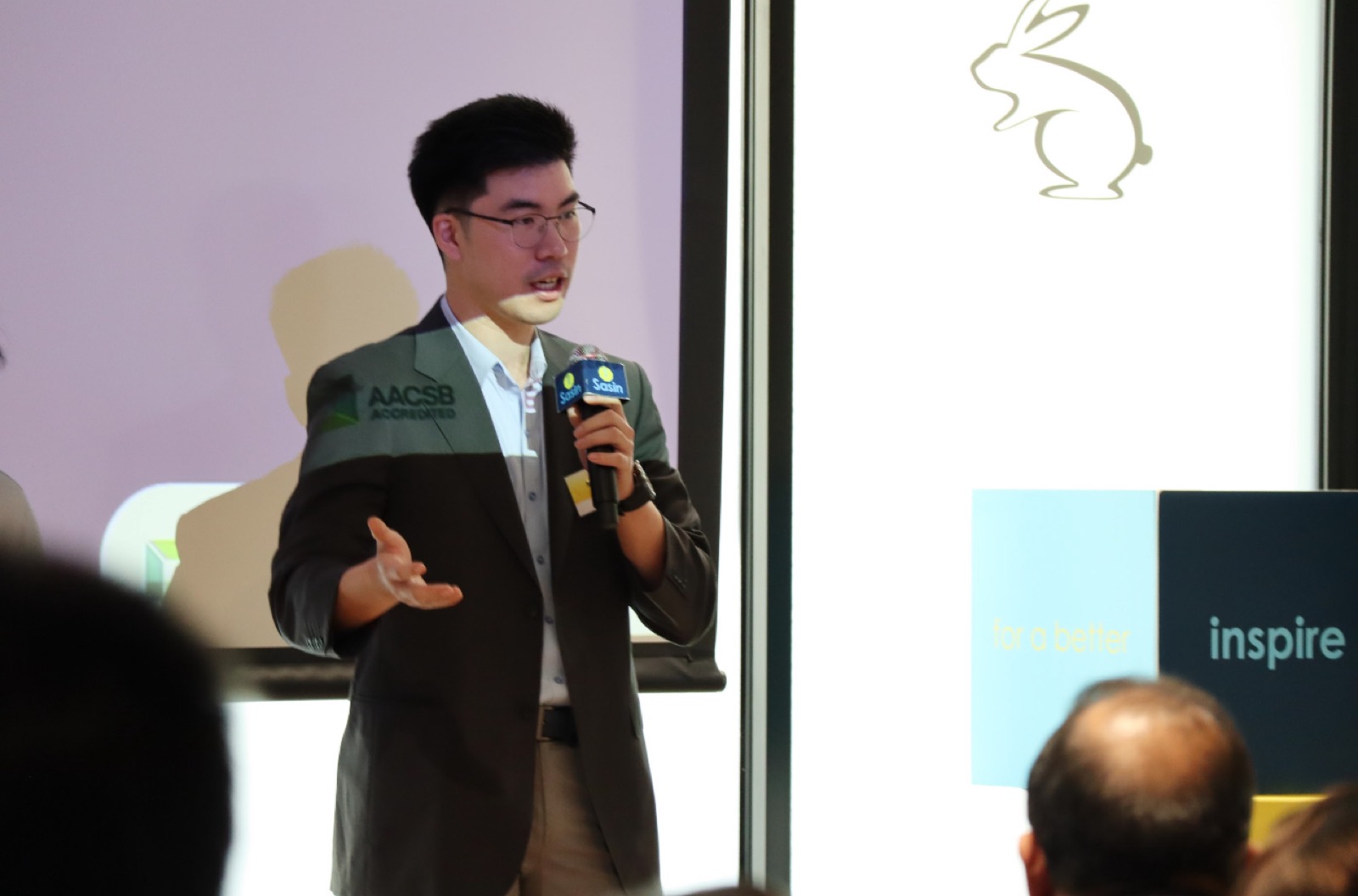
Named engagements: Executive Calibration Programme (Sansiri) · Curriculum Design & Delivery (Sunflower Trilingual School)
About Michael & P1Tell us what you are working to solve.
The first conversation is free and goes directly to the practitioner — no sales team, no autoresponder. We map what is known, where it lives, and who decides, and you leave with a read on your real constraint, whether or not we work together.
Request a Consultation