AI Coaching

AI Coaching for Your Team

A four-part programme that takes a team from first prompts to a working AI operating system.

What this is

This is a structured curriculum in how to work with AI at work, and the same method we use when we roll it out inside our own companies. It is general and educational, with no vendor pitch. You start by treating AI as a capable intern whose work you check every time. You finish running an operating system that makes work visible, reusable, and reportable, with Claude as a coworker and Claude Code as an operator. Throughout, the discipline is step four of the P1 method — keep ownership and accountability clear: the system carries the work, but the decisions stay with the people who own them.

The programme is sequenced: the foundationreusable helpersa coworker you delegate toan operator that works on your filesyour own AI operating system. Each part builds on the one before it. Work through it in order, or start at the stage that matches your team.

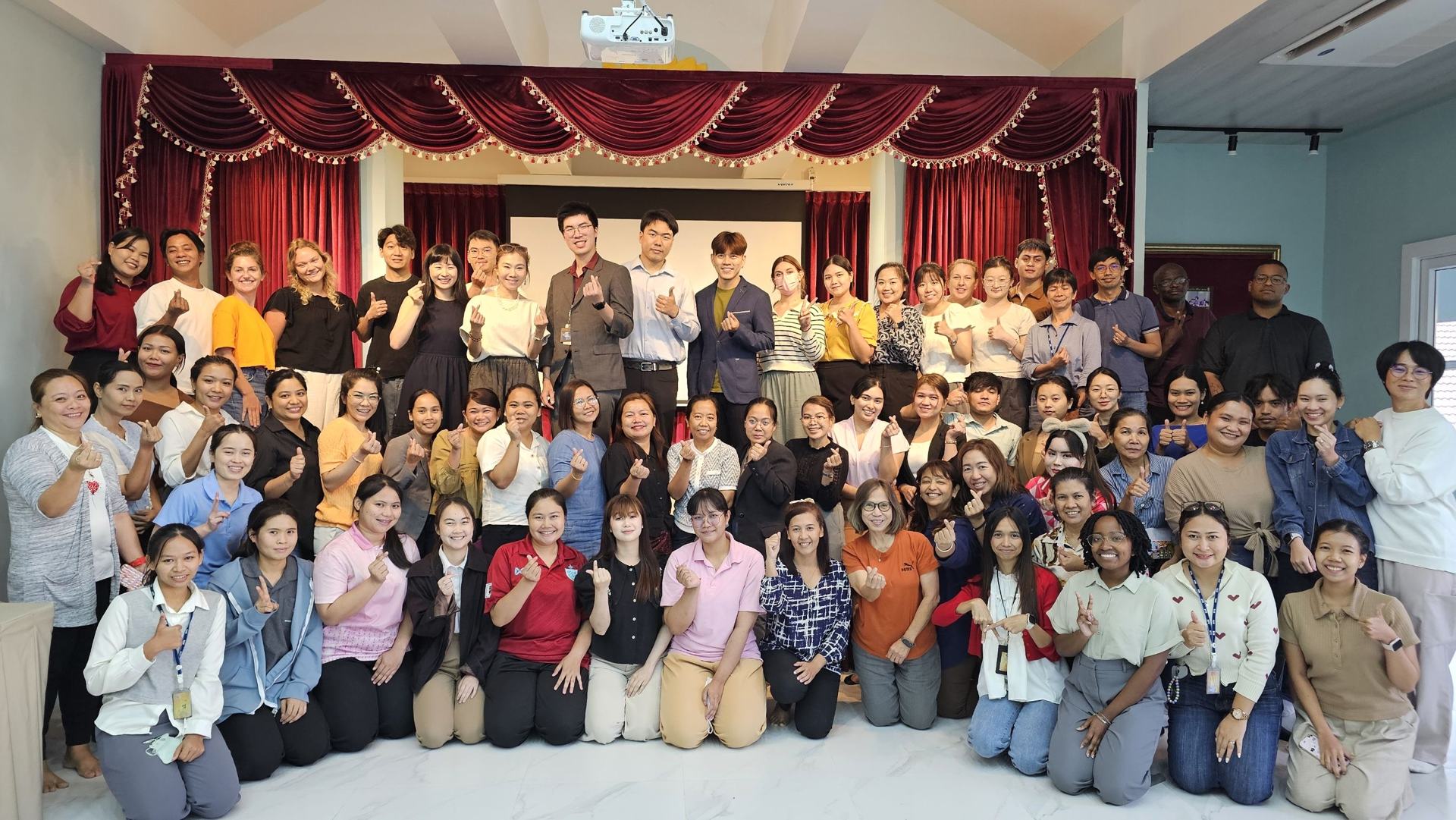
An AI training workshop in progress — a full P1 Thailand cohort with facilitators 01

The Foundation

Treating AI as an intern whose work you check. The three rules, the prompt formula, data safety, reusable helpers, and the weekly report.

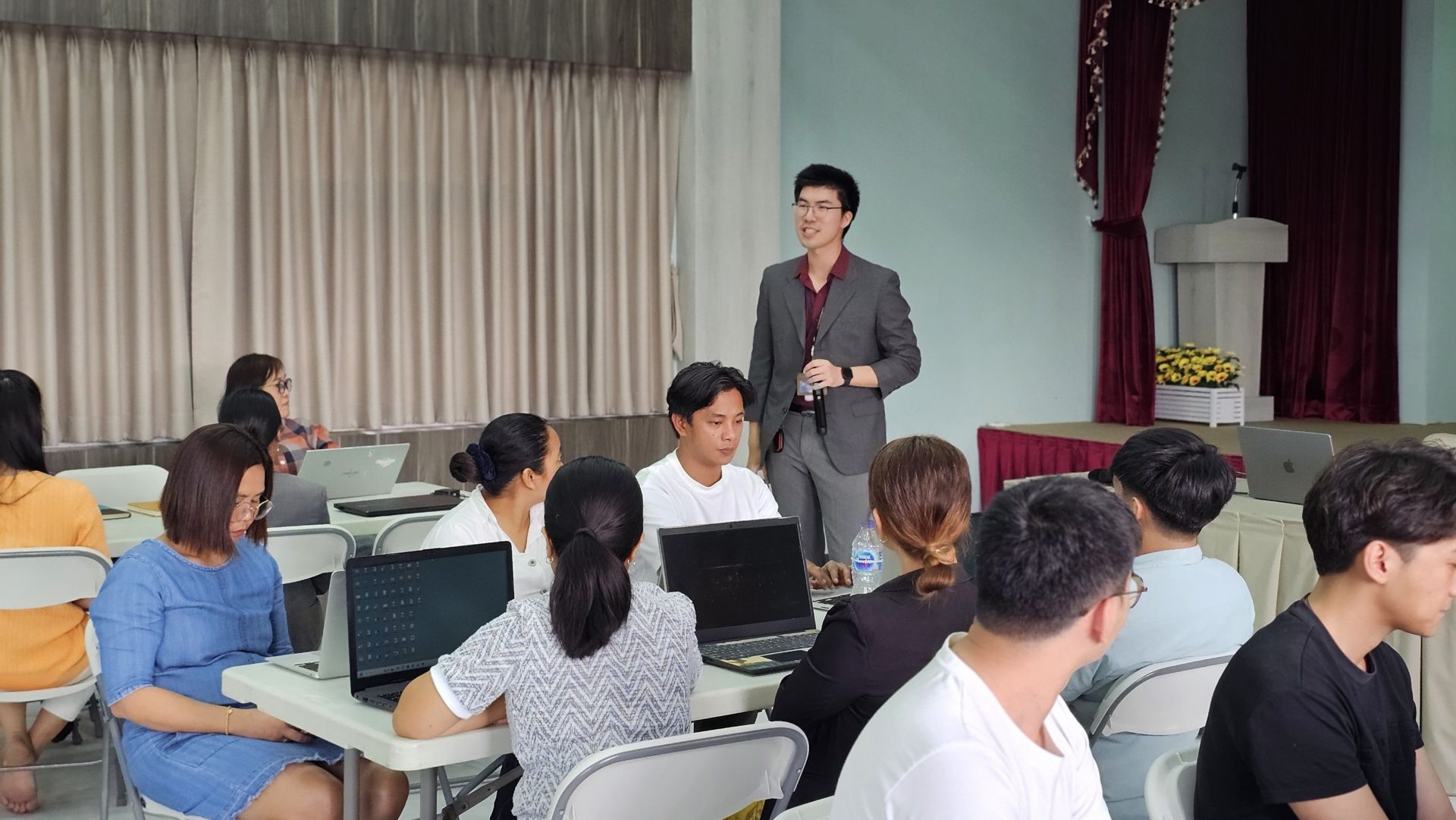
Delegating real work to AI — a hands-on coaching session with participants at laptops 02

Claude as a Coworker

Delegating real work to Claude — Projects for saved context, Artifacts for live deliverables, and the checks that keep the output reliable.

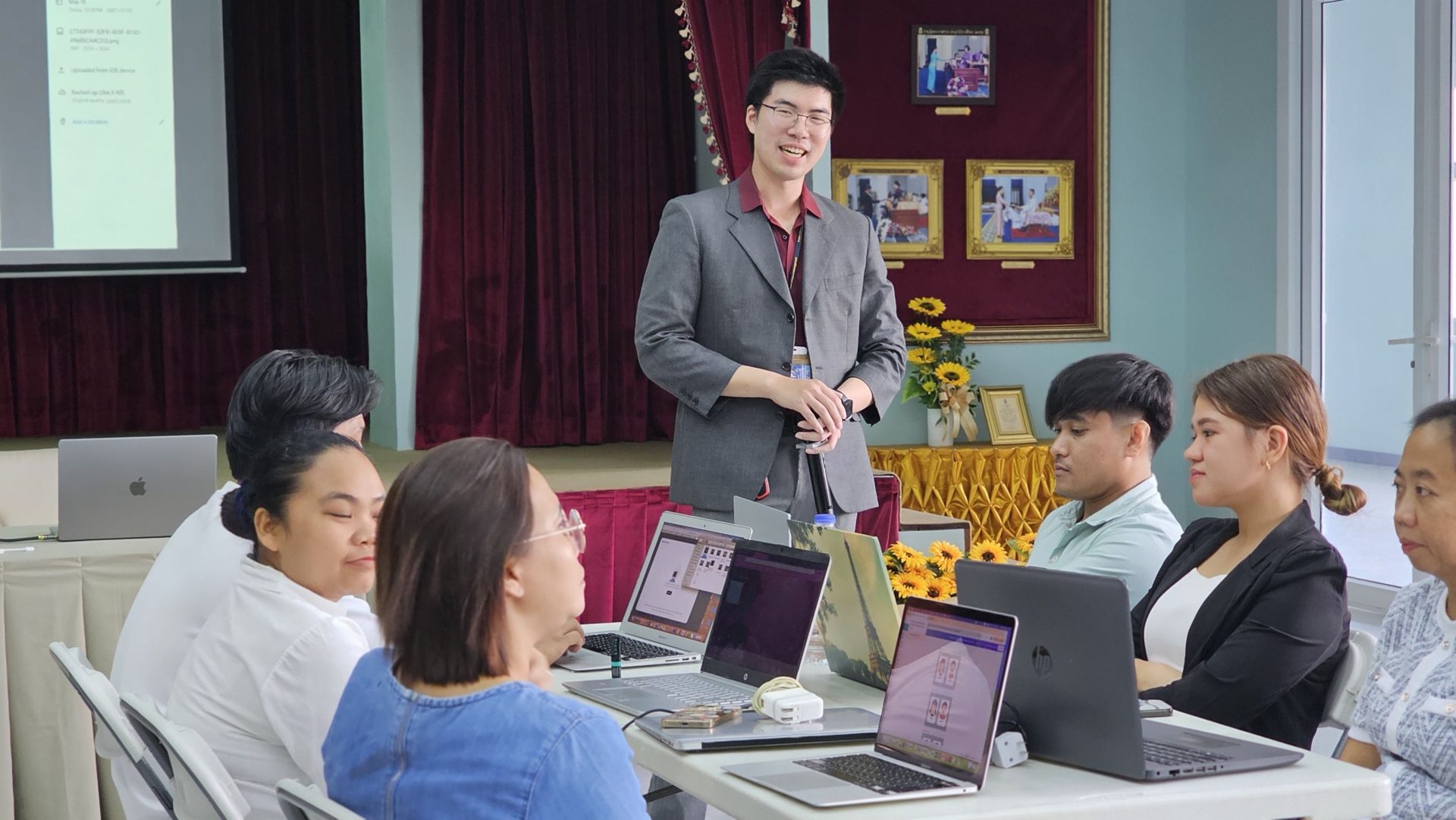
An applied AI Coaching classroom session — Michael Ananpasin teaching 03

Claude Code

AI that works directly on your files and systems, with a person approving each action and the guardrails that requires.

Where AI coaching meets the advisory practice — a hands-on AI training session, a team working on laptops 04

Your AI Operating System

A source of truth, workflows built around it, and a review layer that keeps it accurate — where the coaching connects to our advisory practice.

How progress is measured

How progress is tracked.

Two measures run through the curriculum. The maturity ladder shows where each person is today, from no experience to setting team-wide standards. The 12-step arc is the sequence from a first prompt to a report tied to real work. Full detail lives on the foundation page.

The maturity ladder · 0–7

  • 0 No evidence
  • 1 Awareness
  • 2 Uses AI on a real task
  • 3 Shows prompt + output, knows to check
  • 4 Human-corrected final output
  • 5 Builds a reusable helper
  • 6 Keeps a weekly report
  • 7 Contributes to team knowledge / SOP

The 12-step arc

  • Orientation, safety & first real task
  • Email & document discipline
  • Build your first reusable helper
  • Refine the helper + checking checklist
  • Start the weekly personal report
  • Prompt quality + spotting hallucination
  • Real-work workshop
  • Source-grounded summaries
  • The team weekly report
  • SOP & knowledge extraction
  • Dashboard rhythm
  • Final cumulative report, tied to the job

Start with the foundation →

Go deeper

The rest of the curriculum.

Three supporting pages sit alongside the four parts: a plain primer on how AI actually works, the full programme structure, and how it applies role by role.

We use this method in our own companies.

The curriculum is how our own family business group operates day to day — the same foundation, discipline, and operating system. We run it in our companies first, then teach it.

Bring this programme to your team.

One shared foundation for the whole team, applied to each person's real work.

Request a consultation